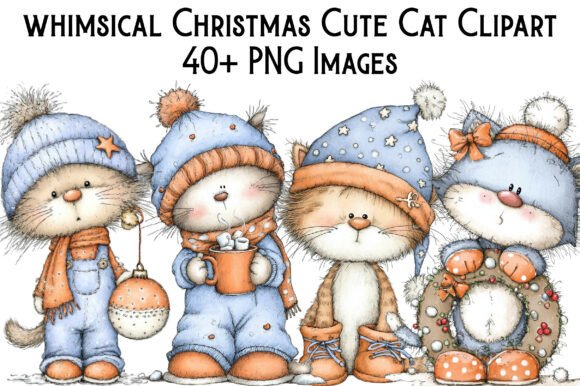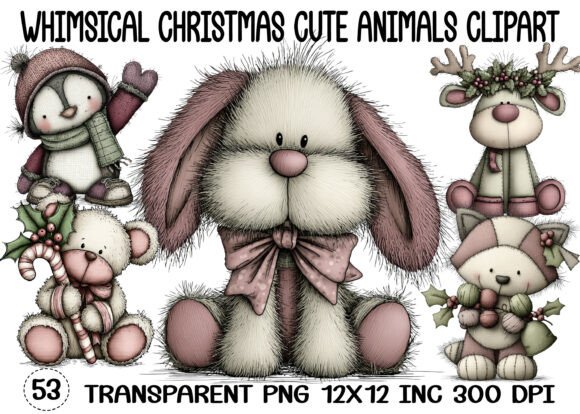
Whimsical Christmas Cute Animals Clipart for Illustrations
In the world of digital publishing, the difference between a scroll-past and a click-through often comes down to visual trust. As a blog designer who has spent years refining editorial layouts and optimizing content for both human readers and search algorithms, I look at every new asset with a critical eye. Does it elevate the brand? Does it support the message? And most importantly, does it feel authentic to the audience we are trying to reach? This is where Whimsical Christmas Cute Animals Clipart enters the conversation. It is not merely a collection of images; it is a strategic graphic design asset that can transform the mood and performance of seasonal content.
The First Impression: Editorial Mood and Niche Alignment
When you first open a pack of Illustrations like this, the immediate takeaway is its distinct personality. The style leans heavily into the playful, the soft, and the inviting. For publishers in the lifestyle, parenting, home decor, or creative entrepreneurship niches, this aesthetic creates an instant sense of warmth. It feels less like corporate advertising and more like a friendly invitation from a neighbor. This is crucial for content marketing because it lowers the barrier to entry for the reader. Instead of feeling sold to, the visitor feels entertained and engaged.
The whimsical nature of these cute animals suggests a modern design sensibility that avoids the clichés of traditional holiday imagery. It strips away the heavy golds and deep reds often associated with formal seasons, replacing them with a lighter, more approachable palette. This makes it ideal for brands that want to maintain a clean, bold, yet festive identity. It supports a visual hierarchy that guides the eye without shouting. For small business branding, this kind of creative design helps establish a memorable visual identity that stands out in a crowded feed.
Real-World Publishing Workflows
So, how does this translate to actual work on a Tuesday morning when you are rushing to publish a post? The versatility of these assets allows them to fit seamlessly into various stages of your publishing workflow. Imagine you are preparing a series of articles about holiday gift guides. You need consistent visuals that tie the posts together. Using these clipart elements as accents in your blog graphics ensures that your category pages look cohesive and professional.
Consider the process of creating a lead magnet, such as a printable holiday planner or a children’s activity book. These downloadable resources are powerful tools for building an email list. By integrating high-quality printable design elements, you increase the perceived value of the freebie. Readers are more likely to download and engage with a resource that looks polished and professionally designed. Similarly, if you are designing a digital guide or an eBook cover, these illustrations provide the emotional hook that draws the user in before they even read the title.
For newsletter creators, these assets serve as excellent headers or dividers. A well-placed graphic can break up text blocks and keep the reader’s attention longer. When used in newsletter banners, they reinforce the seasonal theme without overwhelming the copy. This is particularly effective for affiliate marketers who need to balance promotional content with genuine value. The cute animal motif softens the sales pitch, making the recommendation feel more like a personal suggestion than a hard sell.
Supporting Content Performance and Trust
Visual consistency is a key driver of reader trust. When a website presents a unified aesthetic across all touchpoints—from the website header to social media previews—readers subconsciously perceive the brand as more authoritative and reliable. Whimsical Christmas Cute Animals Clipart provides a versatile toolkit to maintain this consistency. Whether you are updating your site’s sidebar widgets or refreshing your pinned images on Pinterest, having a library of matching assets saves time and ensures brand integrity.
Furthermore, strong visuals improve click-through potential. On platforms like Pinterest, where users make split-second decisions based on thumbnails, a bright, cheerful, and high-quality image will outperform a generic stock photo. These illustrations offer a unique character that stops the scroll. They signal to the user that the content inside is fun, easy to digest, and worth their time. In the realm of social media graphics, this means higher engagement rates and more shares, which indirectly boosts your SEO through increased traffic signals.
Strategic Placement and Best Practices
To get the most out of these design assets, you must place them strategically. They excel in hero images where there is ample negative space for headlines. They also work beautifully as editorial accents next to pull quotes or sidebars. However, not every placement is created equal. There are specific areas where this asset should be used with caution to avoid diluting its impact or harming readability.
- Avoid Small Mobile Thumbnails: The intricate details of whimsical illustrations can become muddy when scaled down to tiny sizes. If the primary detail is lost, the charm is lost too. Use simplified versions or crop tightly to the main subject for mobile views.
- Steer Clear of Text-Heavy Images: Do not overlay long paragraphs of text directly onto complex backgrounds. Keep text areas clean and use the illustrations as framing devices or background textures with low opacity.
- Beware of Low-Contrast Backgrounds: Ensure your color choices provide enough contrast so the illustrations pop. A pastel animal on a light beige background may disappear, frustrating the user and increasing bounce rates.
- Limit Usage in Serious Niches: While great for lifestyle and creative blogs, this style may clash with serious professional niches, corporate content, or legal/financial websites that require a very minimal and sober visual system.
Technical Publisher Notes for Optimization
As a publisher, technical performance is just as important as aesthetics. Before uploading any commercial design files to your media library, you must test them rigorously. Load your webpage on both desktop and mobile screens to check how the images render. Preview them inside a real blog layout to ensure they do not disrupt the flow of reading.
It is essential to test contrast and readability by placing your headline text near the illustrations. Try pairing the graphics with different font styles—serif fonts for a classic editorial look, sans serif for modern clarity, or script fonts for a personal touch. See how the visual hierarchy holds up under each combination. Additionally, review file size for web performance. Large, uncompressed images will slow down your site, hurting your SEO rankings. Compress images properly using tools like TinyPNG or ImageOptim to maintain quality while reducing load times.
Finally, always confirm your commercial license. If you are using these assets on monetized websites, affiliate pages, or paid content products, you must have the right to use them commercially. Purchasing from a reputable creative marketplace usually guarantees this, but it is a step that cannot be skipped. Ensuring you have a valid commercial license protects your business from legal issues and allows you to focus on what matters most: creating valuable content for your audience.
In conclusion, Whimsical Christmas Cute Animals Clipart is more than just decorative filler. It is a thoughtful addition to your digital product arsenal that can enhance your brand identity, improve user experience, and drive engagement. By applying it with intention and care, you can create a festive, professional, and trustworthy online presence that resonates with readers during the holiday season and beyond.