Reviewing Christmas Bookish Hand-Drawn PNG for Embroidery
As a designer who spends half her life staring at stitch charts and the other half troubleshooting tension issues on vintage machines, I approach every new asset with a mix of curiosity and skepticism. The market is flooded with generic clipart, but finding a piece that translates beautifully from screen to fabric is rare. Today, I’m putting Christmas Bookish Hand-Drawn PNG through its paces. This isn’t just about how cute it looks in a preview window; it’s about whether it holds up under the needle, how it interacts with thread textures, and if it will actually sell on your shop shelves or delight a client.
The First Impression: Mood and Visual Personality
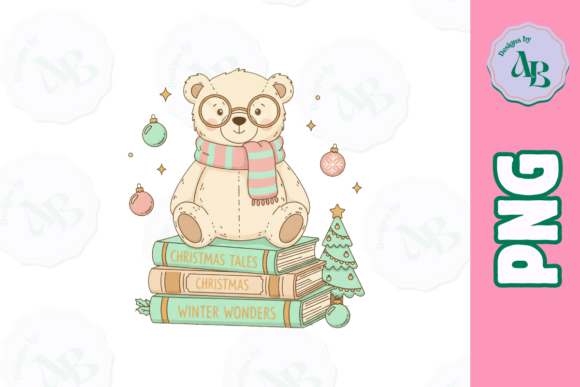
When you first pull up this design, the immediate takeaway is warmth. It doesn’t scream for attention with neon colors or aggressive geometry; instead, it whispers comfort. The hand-drawn aesthetic gives it an organic, imperfect charm that digital vectors often lack. For embroidery, this is crucial. A rigid, geometric shape can look stiff when stitched, but a sketchy, illustrative style mimics the natural variation of thread itself.
The theme taps into the cozy "hygge" vibe that dominates holiday decor right now. It feels like a quiet afternoon spent with a hot cocoa and a favorite novel. This emotional resonance is exactly what makes a personalized gift successful. When a customer buys a handmade item, they aren’t just buying cotton and thread; they are buying a feeling. This design captures that sentiment perfectly, making it ideal for holiday embroidery projects that aim to evoke nostalgia and relaxation.
Real-World Application: From Screen to Stitch
Let’s talk about where this design shines. I recently imagined using this as the centerpiece for a custom embroidered tote bag for a local bookstore’s holiday event. The layout of the Christmas Bookish Hand-Drawn PNG allows for excellent placement flexibility. It works beautifully centered on the front panel of a canvas tote, creating a focal point that draws the eye without overwhelming the garment.
However, the true test lies in the stitching details. In my experience, hand-drawn styles rely heavily on how well the fill stitch and satin stitch definitions handle the curves. If the original file has too much fine line work, those lines can disappear or bunch up when converted to an embroidery file. Fortunately, this illustration seems to balance detail with open space, allowing the thread to breathe. This makes it a strong candidate for custom apparel, particularly sweatshirts and heavy cotton t-shirts where the fabric can support the weight of the stitches without warping.
I also see immense potential here for nursery decor or baby items. The soft, illustrative nature of the design is gentle enough for a child’s room. Imagine this stitched onto a muslin blanket or a onesie. The contrast between the whimsical bookish theme and the traditional Christmas elements creates a unique narrative that stands out in a sea of Santa and reindeer motifs. For an Etsy seller looking to differentiate their small shop product line, this kind of thematic uniqueness is key to driving traffic and conversions.
Where Caution Is Required
No design is perfect for every surface, and being honest about limitations is part of professional practice. While this design is versatile, there are specific scenarios where you need to tread carefully.
- Small Hoop Sizes: If you attempt to digitize or use this in a very small hoop (under 4x4 inches), you risk losing the subtle hand-drawn texture. The tiny details may merge into indistinct blobs. Always check the stitch density before committing to a mini size.
- Textured and Stretchy Fabrics: Avoid applying this to thick, nubby wool blends or highly stretchy jersey knits unless you are using a high-quality tear-away stabilizer. The irregular edges of the hand-drawn style can distort easily on unstable fabrics, leading to a messy finish.
- Curved Surfaces: While great for flat panels, caps and hats present a challenge. The curvature can cause the central part of the design to pucker if not hooped correctly. Test this on a scrap piece of cap material first.
- Dense Areas: If the design includes dense fill areas near the edges, be mindful of fabric pull. On thin fabrics like tea towels or lightweight aprons, dense stitching can cause the material to pucker over time, especially after washing.
Technical Considerations for the Designer
Before you hit the start button on your machine, there are several technical checks you must perform. First, always test the design on scrap fabric that matches the final project in weight and composition. This reveals how the thread colors interact with the background. A light gray thread might vanish on a white shirt but pop beautifully on a navy blue one.
Inspect the small details closely. Look for any overly long run stitches that might require trimming or back-tacking. If the design relies on tiny satin stitches for text or intricate outlines, ensure your machine can handle the required density without breaking needles or threads. It is also wise to view the design in black and white mockups. This helps you assess the value contrast—ensuring that dark and light elements remain distinct even when color perception is removed.
Don’t forget the stabilizer. For a design with this level of illustrative detail, a cut-away stabilizer is often safer than a tear-away, especially if the finished product will undergo frequent laundering. Proper stabilization ensures the integrity of the handmade product remains intact, preserving the professional look that customers expect.
Impact on Brand and Customer Trust
Using a high-quality, thoughtfully designed asset like Christmas Bookish Hand-Drawn PNG directly impacts your brand perception. Customers are savvy; they can tell the difference between a mass-produced, pixelated print and a carefully executed embroidery job. When your finished product shows clear stitch definition and cohesive design choices, it builds trust. It signals that you care about quality.
This design also enhances brand consistency. If your shop focuses on cozy, literary, or artisanal themes, this asset fits seamlessly into your visual identity. It elevates your digital product previews and printable mockups, making your listings more attractive. In a crowded marketplace, professionalism wins. A well-executed embroidery project tells the buyer that you are a serious creator, which justifies premium pricing and encourages repeat business.
Final Verdict
The Christmas Bookish Hand-Drawn PNG is a solid addition to any designer’s library, provided it is used with technical awareness. It excels in projects that benefit from a warm, nostalgic, and artistic touch. Whether you are creating commercial embroidery pieces for boutiques or personal gifts for friends, this design offers a sophisticated alternative to standard holiday graphics.
Remember to verify the licensing terms before selling finished items. Ensure you have the right to use this as a design asset for commercial purposes. Once you confirm the legalities and test the stitch parameters, you’ll find that this design delivers both aesthetic appeal and practical reliability. It’s a thoughtful choice for anyone looking to add a touch of literary charm to their holiday collection.