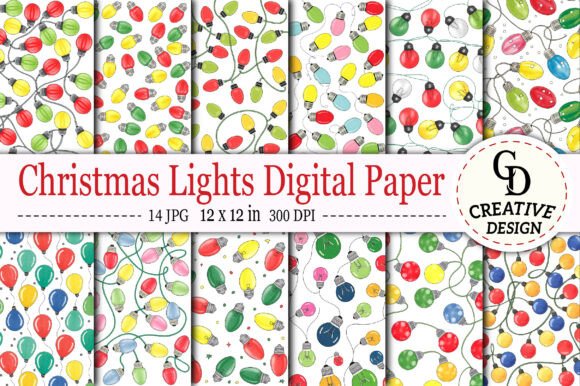
Review: Christmas Lights Digital Paper
As a designer who spends half my life staring at digitized files and the other half troubleshooting stitch errors, I approach every new asset with a mix of optimism and skepticism. The market is flooded with generic holiday motifs, so finding something that balances aesthetic charm with technical viability is rare. That is exactly why I decided to put Christmas Lights Digital Paper through its paces before adding it to my commercial library or using it in client work. This isn’t just another festive clipart; it is a machine embroidery design that demands careful consideration regarding placement, fabric choice, and end-use.
First Impressions and Visual Personality
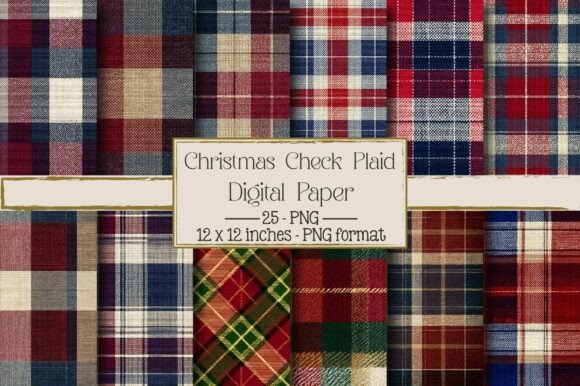
The moment you load this file into your embroidery software, the visual personality jumps out. It captures the cozy, nostalgic essence of winter without feeling cluttered. The layout relies on a repeating pattern structure, which immediately signals its primary strength: versatility. Whether you are creating a large statement piece or a delicate accessory, the modular nature of the lights allows for seamless tiling or focused framing. The mood is undeniably warm. It evokes the feeling of a cabin retreat or a carefully decorated storefront window, making it an excellent choice for holiday embroidery projects that aim to evoke emotion rather than just display a logo.
From a pure aesthetics standpoint, the design feels balanced. The spacing between the light bulbs prevents the final stitched area from becoming too dense, which is a common pitfall in many digital paper patterns. It suggests a lighter touch, allowing the underlying fabric texture to play a role in the final presentation. For designers looking to create high-end handmade product lines, this level of visual breathing room is crucial. It elevates the item from a craft fair impulse buy to a boutique-quality gift.
Real-World Application: The Custom Tote Scenario
To truly test the potential of Christmas Lights Digital Paper, I imagined a specific real-life scenario: a custom embroidered tote bag for a local coffee shop’s holiday promotion. The goal was to create a functional yet stylish item that customers would actually want to carry around town, not just toss in a closet. Here is how the design performed in that mental simulation.
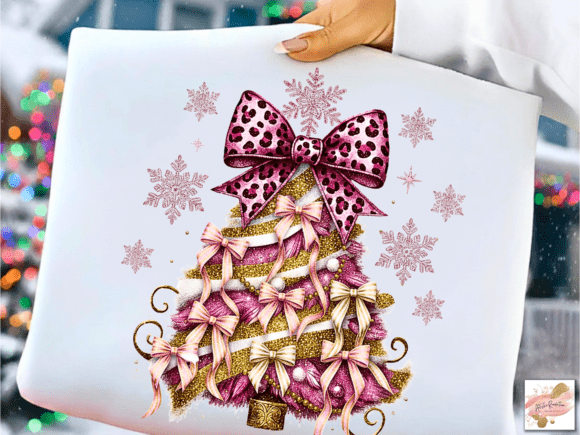
When applied to a sturdy canvas tote, the pattern works beautifully as an all-over print effect or as a bordered accent along the handles. The contrast between the dark canvas and bright thread colors would make the lights pop, creating a striking visual impact. However, the success of this project hinges entirely on the stitch density. If the design is too heavy, the tote becomes stiff and uncomfortable. If it is too sparse, the fabric shows through, ruining the "digital paper" illusion. Based on the file’s structure, it appears optimized for a medium-density fill, which strikes the right balance for apparel and accessories.
This same logic applies to sweatshirt embroidery or apron designs. Imagine a chef wearing a holiday-themed apron featuring these lights across the bib. The design needs to withstand frequent washing and movement. The clean lines of the light bulbs suggest good durability, provided the edges are properly finished. For small business owners, this translates to fewer returns due to puckering or thread breakage, directly impacting customer trust and brand reputation.
Technical Considerations for Embroidery Designers
Before you hit the start button on your machine, there are several critical factors to evaluate. First, consider the hoop size. While the design is scalable, very small hoops can struggle with intricate details. If you are planning to use this for embroidered patches or cap embroidery, you must ensure the individual elements remain distinct. Tiny stitches can merge together during the stitching process, turning clear bulbs into blurry blobs.
Fabric selection is equally important. Christmas Lights Digital Paper shines on stable, woven fabrics like cotton, linen, or denim. These materials provide the necessary support for the threads to lay flat. Conversely, avoid stretchy knits unless you are using a heavy-duty stabilizer and have extensive experience with knit stabilization. Thin fabrics, such as silk or lightweight jersey, may pucker under the tension of the stitching, distorting the pattern. In those cases, a cut-away stabilizer is non-negotiable to maintain the integrity of the finished product.
Thread color contrast is another variable. On dark fabrics, you will need to use metallic or high-luster threads to simulate the glow of the lights. On light fabrics, standard polyester threads work well, but you might lose some definition if the background fabric is too textured. I always recommend testing your design in black and white mockups within your digitizing software. This helps you visualize the negative space and ensures that the pattern remains readable regardless of the color palette you choose.
Where to Use Caution
Not every surface is suitable for this design. Be cautious when applying it to curved surfaces like baseball caps or fitted hats. The distortion inherent in these shapes can warp the geometric regularity of the lights, leading to a misaligned appearance. Similarly, avoid placing dense stitch areas near seams or edges where the fabric might tear over time. For personalized gifts involving monograms, ensure that the text does not compete with the busy nature of the pattern. Less is often more; let the lights be the star, and keep any accompanying text simple and legible.
Impact on Product Value and Branding
For Etsy sellers and craft business owners, the perceived value of a product is heavily influenced by its visual appeal. A well-executed embroidery project using Christmas Lights Digital Paper signals professionalism. It shows that you care about the details, from the alignment of the pattern to the quality of the backing. When customers see a crisp, evenly stitched design, they are more likely to perceive the item as premium, allowing you to command higher prices.
Furthermore, this design lends itself well to commercial embroidery strategies. You can create a cohesive holiday collection by pairing this pattern with complementary motifs, such as snowflakes or holly berries. This consistency strengthens your brand identity and makes your shop look curated rather than random. It also works exceptionally well for printable mockups used in online listings. High-quality images of the design on various products can significantly boost click-through rates and buyer engagement.
Final Verdict and Practical Tips
In conclusion, Christmas Lights Digital Paper is a versatile and visually appealing asset that fits seamlessly into the workflow of professional embroiderers and creative entrepreneurs. Its strength lies in its adaptability and its ability to evoke warmth and nostalgia. However, success depends on proper execution. Always test on scrap fabric first. Check your thread colors against your chosen material. Confirm the hoop size constraints and inspect small details for clarity. Most importantly, verify the licensing terms if you plan to sell finished items or distribute design assets.
By treating this file with the respect it deserves—understanding its technical limitations and leveraging its aesthetic strengths—you can create stunning custom apparel, delightful baby embroidery pieces, and profitable small shop products. It is more than just a pattern; it is a tool for storytelling through thread. Use it wisely, and it will pay dividends in customer satisfaction and sales.