Heavenly Dead Christmas Sublimation PNG Review
As a designer who spends half my life staring at stitch previews and the other half troubleshooting tension issues on vintage machines, I don’t just look for "pretty" graphics. I look for viability. When I pulled up the Heavenly Dead Christmas Sublimation PNG, my first instinct wasn’t to admire the aesthetic—though it certainly has one—but to assess how this file would behave when translated into thread. This isn't just another clipart image; it’s an illustrations asset that demands a specific approach if you want your final output to look professional rather than amateurish.
I recently found myself needing a unique design for a boutique holiday collection. The market is saturated with traditional reindeer and snowflakes, so I was hunting for something with edge but still recognizable as seasonal. That brought me to this particular digital embroidery file. Below is my honest breakdown of how this design holds up in real-world production scenarios, from the initial visual impact to the technical realities of stitching it out.
First Impressions: Mood and Visual Personality
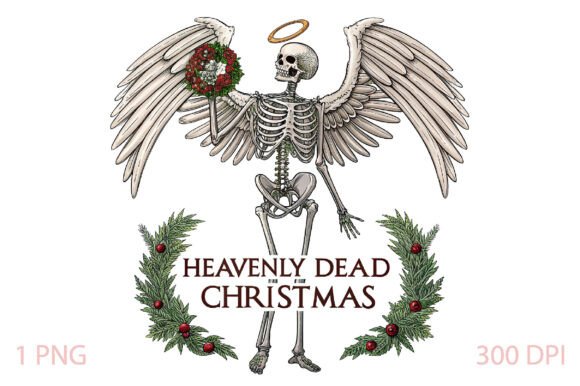
The moment you load this design into your digitizing software, the mood is immediately established. It strikes a balance between macabre charm and festive cheer. For the modern crafter or Etsy seller looking to capture the "dark academia" or alternative holiday aesthetic, this is gold. It doesn’t scream; it whispers with a bit of attitude. The layout feels balanced, which is crucial because it suggests the designer who created the original vector understood composition.
Visually, the shapes are distinct. There is enough negative space to prevent the design from becoming a muddy blob once stitched, yet there are enough intricate elements to keep the viewer engaged. It feels like a piece that belongs on a heavy cotton canvas tote bag or a thick fleece sweatshirt. It lacks the delicate fragility of a baby bodysuit design, leaning instead toward durability and statement-making presence. This clarity of intent is what separates a good machine embroidery design from a great one.
Real-World Application: Where Does This Fit?
In my experience, the success of an embroidery project often hinges on matching the design complexity to the product type. The Heavenly Dead Christmas Sublimation PNG shines brightest when applied to structured garments and home decor items. Here is where I see this design thriving:
- Custom Apparel: Think oversized hoodies, crewneck sweatshirts, and denim jackets. The bold nature of the graphic stands up well against the texture of these fabrics.
- Tote Bag Design: Canvas bags are a staple for craft fairs and small shops. This design translates beautifully onto natural or black canvas, offering a high-contrast look that photographs well for online listings.
- Holiday Embroidery Gifts: Personalized gifts are huge during the winter season. This design works exceptionally well as a focal point on aprons or kitchen towels for the hostess who appreciates a darker sense of humor.
- Embroidered Patch: If you are creating patches for biker vests or backpacks, the clean lines of this illustration provide a strong silhouette that reads clearly even from a distance.
It also serves as excellent design assets for mockups. Because the background is transparent (being a PNG), you can easily place it over various fabric textures in Photoshop to show potential buyers how the finished product might look before they commit to production.
Technical Performance and Stitching Challenges
No matter how beautiful a design looks on screen, its true test is under the needle. The Heavenly Dead Christmas Sublimation PNG presents a mix of opportunities and pitfalls depending on your setup.
When examining the stitch density, you need to be careful. Designs with intricate details can suffer if the density is too high, leading to puckering, especially on lighter fabrics. Conversely, if the density is too low, you lose the definition that makes the character's features pop. I recommend checking the fill stitch areas closely. If the fill is overly dense, consider adding some strategic cut-outs or simplifying the internal details to ensure the fabric doesn't become stiff and unwearable.
The use of satin stitch around the edges is critical here. A clean satin border helps define the shape against busy backgrounds. However, if you are stitching this onto a curved surface like a cap or a hat brim, you must pay attention to the registration marks. Curved surfaces distort straight lines, so a design that relies on precise geometric alignment might look skewed if not hooped correctly.
Where to Exercise Caution
While this design has versatility, it is not a one-size-fits-all solution. There are specific scenarios where this embroidery file might struggle:
- Small Hoop Sizes: If you attempt to stitch this on a very small hoop (under 4x4 inches), you risk losing detail. Tiny lettering or fine whiskers might merge together, turning into indistinguishable blobs of thread.
- Textured Fabrics: While it looks great on smooth cotton, try stitching this on a heavily textured bouclé or terry cloth. The uneven surface will cause the needle to skip stitches or create inconsistent tension, ruining the crispness of the running stitch details.
- Stretchy Fabrics: Jersey knits and thin synthetics require extra care. Without proper stabilizer support, the weight of the thread can cause the fabric to pucker or stretch out of shape. Always use a tear-away or cut-away stabilizer appropriate for the fabric weight.
- Dense Stitch Areas: Avoid placing large blocks of solid color next to each other without adequate spacing. This can make the garment uncomfortable to wear, especially if it’s being used for children’s clothing or items that will be washed frequently.
Practical Designer Notes for Success
Before you rush to list this as a small shop product on Etsy, take these steps to ensure quality control:
- Test on Scrap Fabric: Never trust a digital preview alone. Stitch out a sample on the actual fabric you plan to sell. Check for thread breaks, tension issues, and color accuracy.
- Check Thread Color Contrast: Ensure the chosen thread colors provide enough contrast against your base fabric. Dark threads on dark fabric can disappear, while light threads on light fabric can look washed out.
- Inspect Small Details: Zoom in on the smallest elements. Are they legible? Do they require excessive trimming time? If the detail is too fine for your machine’s capabilities, simplify the design digitally before stitching.
- Confirm Licensing: This is non-negotiable. Verify whether you have commercial rights to sell finished items made from this digital embroidery file. Some illustrations come with personal-use-only restrictions that could get your shop shut down.
- Black and White Mockup: Convert the design to grayscale to check for value contrast. If the design loses its impact in black and white, it may lack the depth needed for successful embroidery.
Final Verdict
The Heavenly Dead Christmas Sublimation PNG is a standout asset for designers looking to add a touch of edgy festivity to their collections. It offers strong visual appeal, clear shapes, and a mood that resonates with modern consumers. However, like any embroidery project, its success depends on execution. By paying attention to stitch density, fabric choice, and proper stabilization, you can transform this digital illustration into a tangible, high-quality handmade product that customers will love.
Whether you are an Etsy seller expanding your holiday inventory or a hobbyist making a unique gift for a friend, this design provides a solid foundation. Just remember: the best embroidery comes from thoughtful preparation. Test thoroughly, respect the materials, and let the design speak for itself. With the right approach, this piece can elevate your brand consistency and boost buyer engagement simply by standing out in a crowded marketplace.